Quick Answer

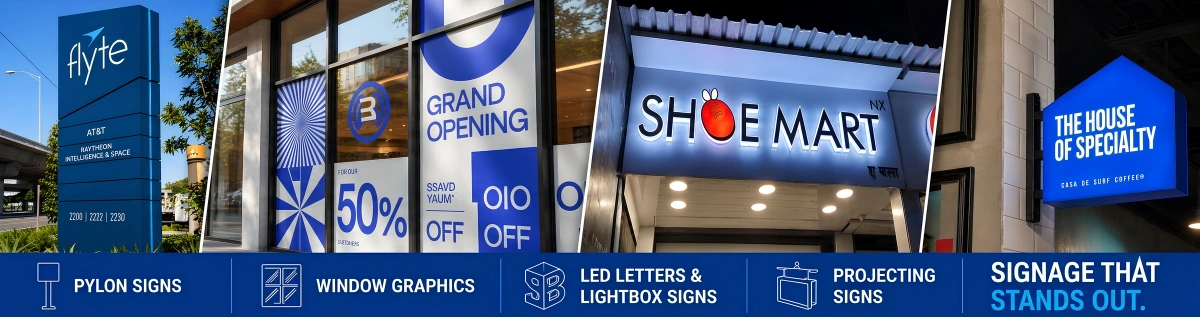
Business Sign Types ExplainedChoosing the right sign type for your business depends on your location, budget, brand, and council regulations. This guide covers every major sign type available in Australia.Fascia…

Business Sign Types Explained

Choosing the right sign type for your business depends on your location, budget, brand, and council regulations. This guide covers every major sign type available in Australia.

Fascia / Shopfront Signs

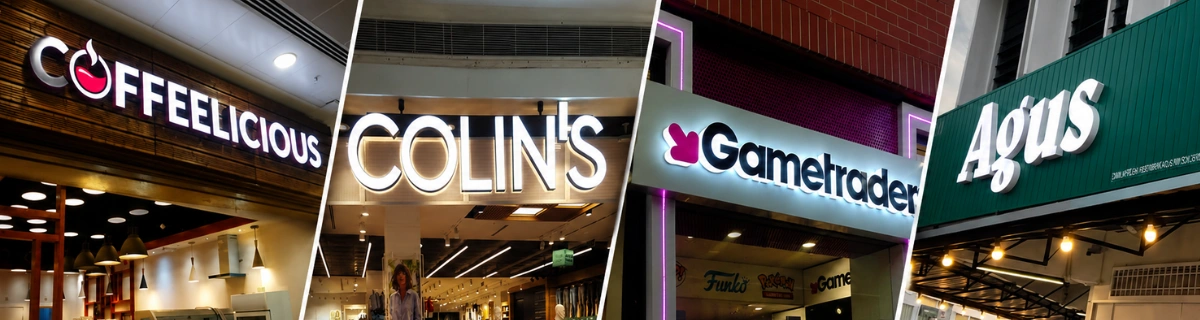
The most common business sign — mounted flat against the building facade above the shopfront. Cost: $1,200-$8,000. Usually requires DA or CDC if over 2.5m². Available in aluminium, acrylic, LED, and neon.
<?php echo esc_attr($sp_title); ?> — council approval process and requirements
IMG 2
Image
Set via WordPress Media Library

Pylon / Freestanding Signs

Self-supporting signs visible from the road. Common at service stations, shopping centres, and industrial estates. Cost: $5,000-$30,000. Always requires DA. Engineering certification mandatory.

LED Neon Signs

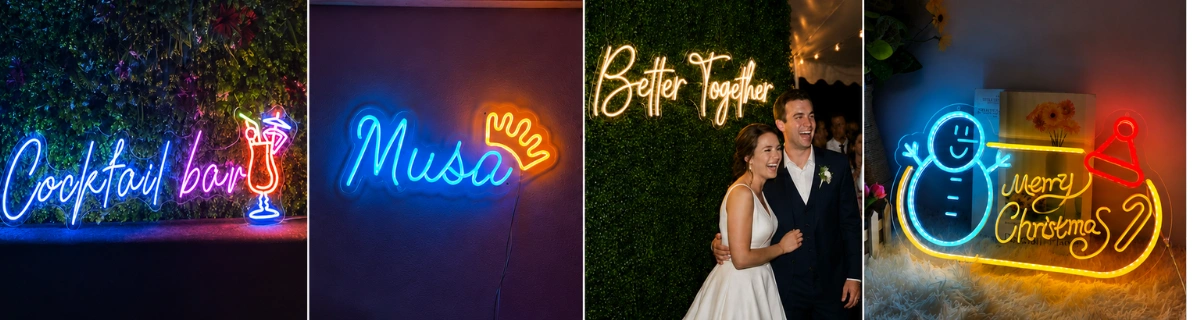
Energy-efficient alternative to glass neon. Flexible silicone tubing with LED cores. Indoor and outdoor rated. Cost: $800-$5,000. Permit requirements vary — illuminated sign rules apply.
<?php echo esc_attr($sp_title); ?> — council approval process and requirements
IMG 2
Image
Set via WordPress Media Library

Digital / LED Display Signs

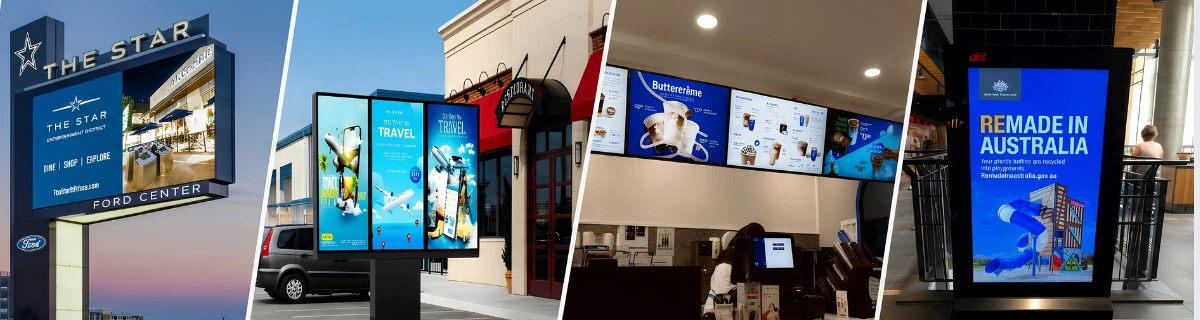
Programmable screens showing static or animated content. Cost: $3,000-$50,000. DA mandatory in virtually all councils. Strict brightness and curfew rules apply.
<?php echo esc_attr($sp_title); ?> — council approval process and requirements
IMG 2
Image
Set via WordPress Media Library

Window Signs & Decals

Vinyl graphics applied to windows. Cost: $300-$1,500. Often exempt if under 25% of window area. No structural engineering needed.

Frequently Asked Questions

How much does a sign permit cost in Australia?
Sign permit costs vary by council and sign type. Exempt signs cost $0, Complying Development Certificates (CDC) range from $400–$1,500, and full Development Applications (DA) range from $200–$2,500. Heritage areas and illuminated signs attract higher fees. Always check with your local council for exact pricing.
Approval timelines depend on the pathway: exempt development requires no wait, a CDC via private certifier typically takes 10–20 days, and a standard DA takes 4–12 weeks. Heritage applications and complex signs can take 12–20 weeks. Pre-application meetings with council can speed up the process.
Some small business identification signs are exempt from approval if they meet strict size, placement, and zone criteria. However, installing a sign without required approval can result in fines from $1,500, compliance notices, and orders to remove the sign. Always confirm with your council before proceeding.
Standard sign permit applications require: a site plan showing sign location, scaled sign design drawings, photos of the existing site, a photo montage showing the proposed sign in situ, a completed DA application form, and owner consent if the applicant is a tenant. Heritage areas require a Heritage Impact Statement. Illuminated signs need lighting details and luminance specifications.