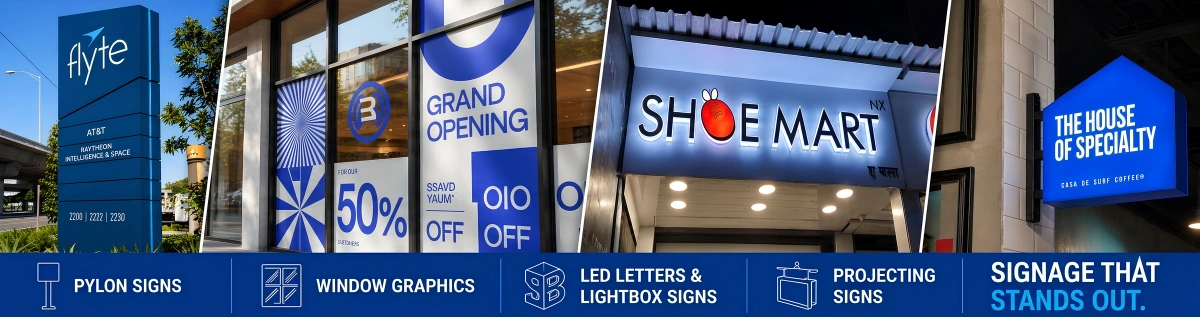
Installing a sign on a heritage-listed building or in a heritage conservation area is one of the most complex sign approval scenarios in Australia. Signs in heritage areas are almost never exempt from planning approval — even the smallest, simplest sign requires a Development Application (DA) with a heritage impact assessment. Here is what you need to know.
When Does Heritage Apply to Sign Permits?
Heritage controls apply to your sign if any of the following are true:

- Your building is on the State Heritage Register (each state has its own)
- Your building is on the Local Heritage List in your council’s LEP or planning scheme
- Your property is in a Heritage Conservation Area (HCA) — even if the building itself is not listed
- Your property has a Heritage Overlay (HO) — common in Victoria
- Your property is in a Character Area — applies in QLD and some other states
Check your council’s planning portal or the free permit checker to confirm if your property has heritage controls.
What Signs Are Typically Approved in Heritage Areas?
Heritage authorities favour signs that are sympathetic to the historic character of the building and streetscape. Signs most likely to be approved:
- Flat painted timber or metal fascia signs in heritage-compatible colours
- Gold leaf or hand-painted window lettering using traditional techniques
- Non-illuminated projecting timber signs in traditional styles
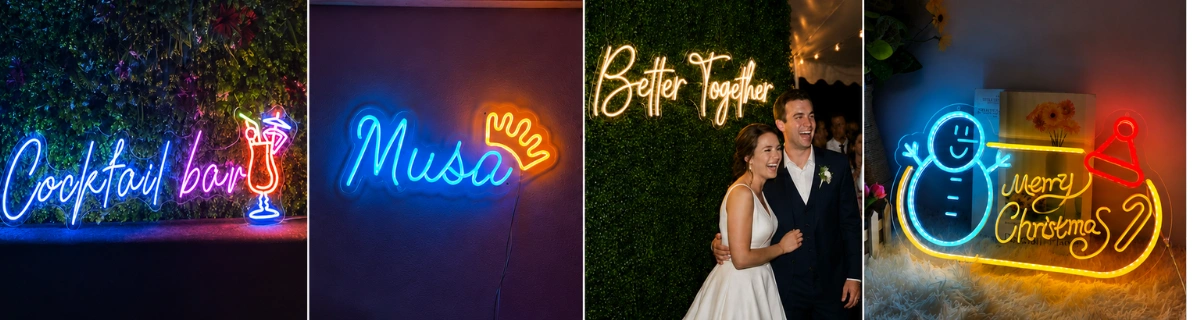
- Traditional glass neon signs — sometimes approved as having historical precedent
- Conservation-area-compliant awning signs matching existing character
Signs That Are Usually Refused in Heritage Areas
- Large illuminated or LED signs
- Digital or animated signs
- Aluminium composite panel (ACP) fascia signs with modern finishes
- Internally illuminated lightbox signs
- Signs covering historic architectural features or decorative elements
- Multiple signs where only one or two have historical precedent
Heritage Impact Statement — What Is It?
A Heritage Impact Statement (HIS) is a report prepared by a qualified heritage consultant that assesses the impact of your proposed sign on the heritage significance of the building and area. It is required for all sign DAs in heritage areas. The HIS must address:

- The heritage significance of the building and its setting
- Historical signage precedent at the site (if any evidence exists)
- How the proposed sign relates to the building’s character, scale, and materials
- The impact on significant fabric (does installation require drilling or fixing into historic materials?)
- Whether the sign is reversible (can it be removed without damage?)
Heritage Sign Permit Costs 2026
| Cost Item | Typical Range |
|---|---|
| Heritage consultant (HIS report) | $1,500 – $4,000 |
| Council DA fee (heritage sign) | $500 – $3,000 (varies by state) |
| State Heritage referral fee (if applicable) | $300 – $600 |
| Total typical cost | $2,500 – $8,000 |
| Timeline | 12–20 weeks |
Heritage Sign Approval by State
| State | Heritage Framework | Referral Body |
|---|---|---|
| NSW | Heritage Conservation Areas (LEP) + State Heritage Register | Heritage NSW (for State items) |
| VIC | Heritage Overlay (planning scheme) | Heritage Victoria (for significant items) |
| QLD | Queensland Heritage Register + Character Areas | Queensland Heritage Council |
| WA | State Register of Heritage Places + Local Heritage Inventory | State Heritage Office WA |
| SA | State Heritage Areas + Local Heritage Places | State Heritage Council SA |
Tips for Heritage Sign Approval
- Engage a heritage consultant early — their advice shapes your sign design before you spend money on fabrication quotes
- Request a pre-DA meeting with council — heritage planners will often indicate what they will and won’t support before you formally apply
- Research historical photos — evidence that a similar sign type existed at the site in the past strengthens your case
- Propose a reversible installation — signs that can be removed without damaging historic fabric are viewed more favourably
- Use natural materials — timber, metal, and natural paint systems are preferred over vinyl, aluminium composite, and plastic
Related: How to apply for a sign permit | Sign permit application checklist | DA vs CDC explained