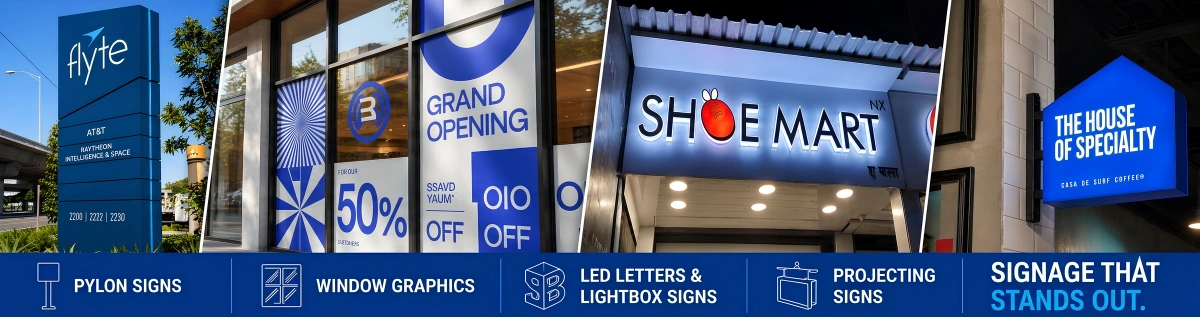
LED business signs are one of the most effective ways to attract customers, but they almost always require council approval. Unlike non-illuminated signs, LED signs have additional rules around brightness, animation, proximity to residential areas, and traffic safety. Here’s everything you need to know in 2026.
Do LED Signs Need Council Approval?
Yes — in almost all cases. LED signs are considered illuminated signs under Australian planning law and are excluded from exempt development in every state. You will need either a CDC or DA depending on your sign’s size, brightness, location, and whether it displays moving content.
LED Sign Rules by State
| State | CDC Available? | Max Luminance (typical) | Animation Permitted? |
|---|---|---|---|
| NSW | Yes (static LED only) | 300 cd/m² (night) | No (via CDC). DA required for animation. |
| VIC | Limited | 300 cd/m² | DA required |
| QLD | Yes (some zones) | 400 cd/m² | DA required in most zones |
| WA | Limited | Varies by zone | DA required |
| SA | No (usually DA) | Varies by council | DA required |
What Documents Do You Need for LED Sign Approval?
LED sign applications typically require more documentation than non-illuminated signs:
- Lighting specification sheet — from the manufacturer confirming luminance levels (cd/m²)
- Illumination hours plan — specifying when the sign will be illuminated
- Sign design drawings — dimensioned elevations showing sign faces
- Photomontage — digitally rendered image showing sign on building
- Glare assessment — if sign is within 100m of residential properties or facing a road
- Owner consent — if you are a tenant
LED Sign Permit Costs 2026
| Pathway | Fee Range | Timeframe |
|---|---|---|
| CDC (static LED) | $600 – $1,800 | 10–20 days |
| DA (illuminated sign) | $400 – $3,000 | 6–14 weeks |
| DA (animated/digital) | $800 – $5,000+ | 8–20 weeks |
Luminance Standards for LED Signs
Luminance (brightness) is the main technical hurdle for LED sign approvals. Most Australian councils follow the IESNA/AS 4282 standard for obtrusive light and set maximum luminance based on time of day and proximity to residential areas:
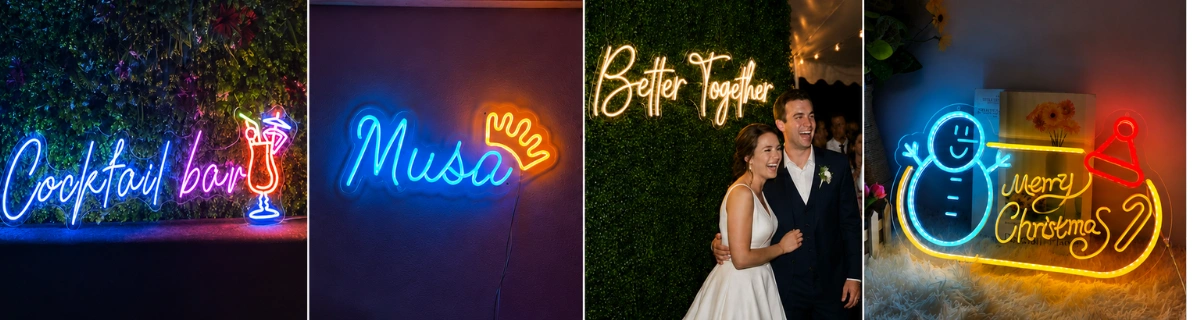
- Daytime (sunrise to sunset): Up to 5,000–10,000 cd/m² is generally acceptable in commercial zones
- Evening (sunset to 10pm): Maximum 300–600 cd/m² depending on zone
- Night (10pm to sunrise): Maximum 100–300 cd/m² or auto-dim required
Modern LED sign panels should have auto-dimming capability built in — confirm this with your supplier before purchase.
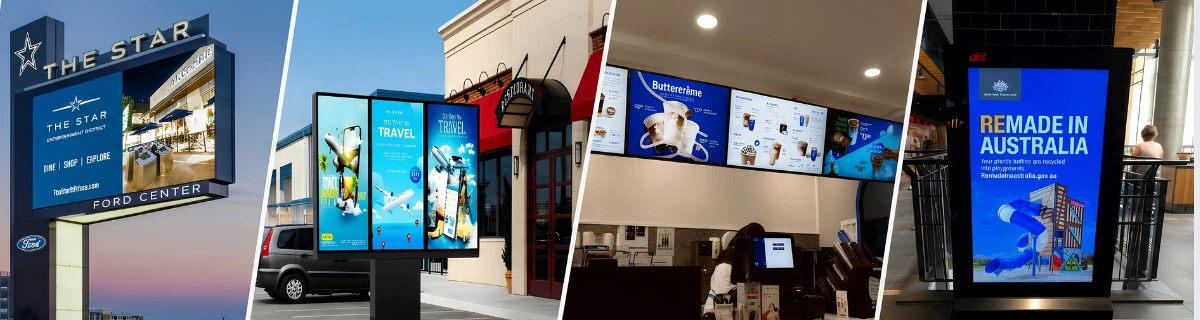
LED Sign Permit by Council
Check LED sign rules for major councils: