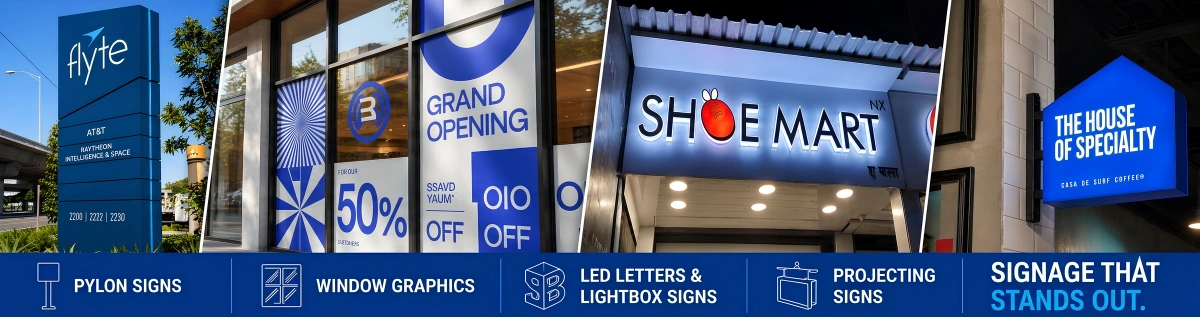
Not every business sign needs council approval. Australian planning law defines a category of exempt development — signs that are small enough, simple enough, and in the right location to be installed without any permit. Understanding these rules can save you weeks of waiting and hundreds in fees.
What Is Exempt Development?
Exempt development is a category in Australian state planning legislation where certain low-impact activities can proceed without a Development Application (DA) or Complying Development Certificate (CDC). Signs qualify as exempt development when they meet strict criteria including size, placement, illumination, and zoning requirements.

Common Exempt Sign Types
The following sign types are typically exempt from council approval across most Australian states, subject to size limits:
- Business identification signs — a single flat sign on the premises identifying the business name and address
- Real estate signs — for residential properties during sale or lease, subject to size and time limits
- Under awning signs — signs attached under an existing awning, typically up to 1m x 0.3m
- Window signs — graphics on shop windows that don’t obscure more than 25–30% of window area
- Temporary development signs — on construction sites during the build period
- Election signs — during gazetted election periods, subject to size and timing rules
Exempt Sign Size Limits by State
| State | Max Area (typical business ID sign) | Height Above Ground | Illumination |
|---|---|---|---|
| NSW | Up to 3m² | Below 8m | Not permitted |
| VIC | Up to 3m² | Below 8m | Not permitted |
| QLD | Up to 2m² | Below 8m | Not permitted (in most zones) |
| WA | Up to 2m² | Below 8m | Not permitted |
| SA | Up to 1.5m² | Below 8m | Not permitted |
| ACT | Up to 0.5m² | Below 8m | Not permitted |
| TAS | Up to 3m² | Below 8m | Not permitted |
| NT | Up to 2m² | Below 8m | Not permitted |
Note: These are indicative limits. Always check your state’s specific exempt development SEPP or planning regulations for your exact zone and sign type.
Signs That Are NEVER Exempt
Regardless of size, the following sign types almost always require council approval:
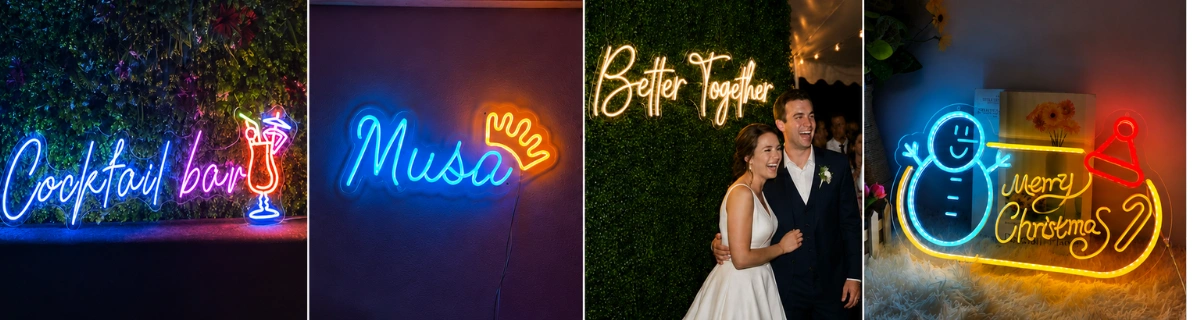
- Illuminated and LED signs — any sign with internal or external lighting
- Animated or digital signs — moving images, video, or changing messages
- Signs in heritage conservation areas — all signage typically requires DA regardless of size
- Freestanding pylon signs — any sign on its own structure separate from the building
- Roof signs — signs above the roofline are almost universally DA-required
- Third-party advertising signs — billboards advertising products unrelated to the premises
How to Confirm Your Sign Is Exempt
Use the free permit checker to get an instant result for your suburb. You can also:

- Check your state’s SEPP or planning regulations online
- Call your council’s duty planner — this is a free service
- Request a pre-lodgement meeting if you’re unsure
Installing a sign you believe is exempt, when it isn’t, can result in fines and removal orders. When in doubt, check first.